
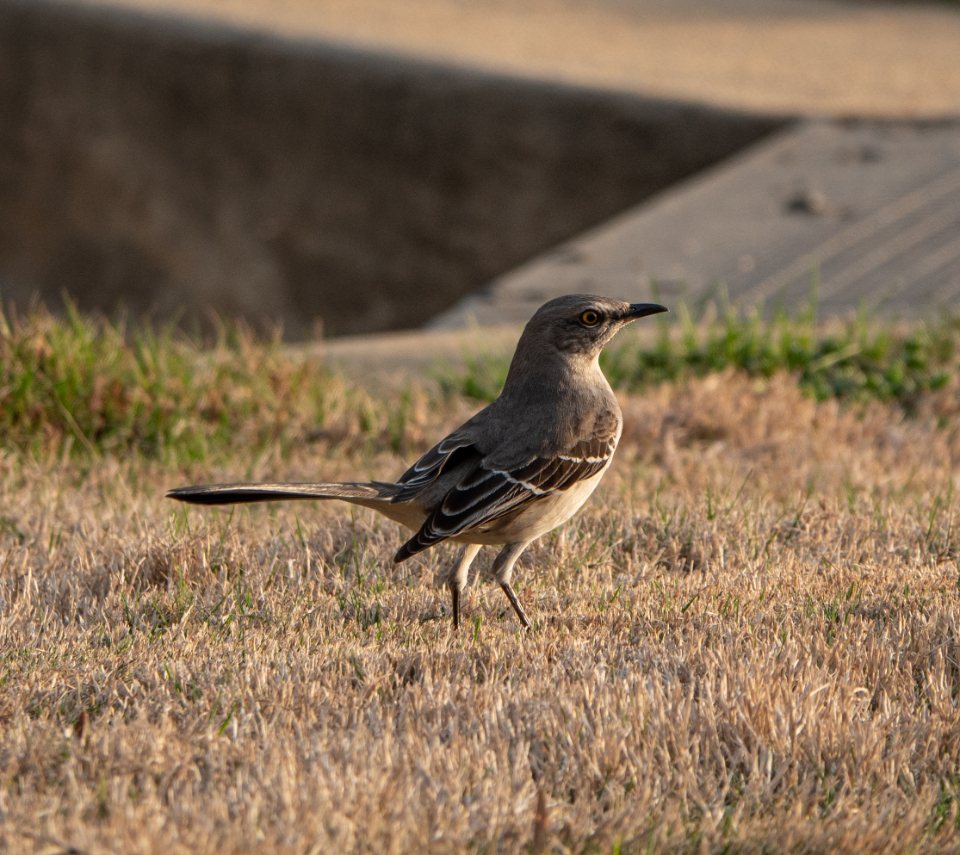
Wildlife photography attracts people for the right reasons and then tests them on the wrong ones. It is easy to assume the genre is about long lenses and fast cameras, and those help, but the photographers who consistently bring back good frames are the ones who know their subject, keep their distance and are willing to sit still for hours. This article covers the basics as we practise them: fieldcraft first, gear second and ethics running through all of it.
Know the animal before you look for it
The first hour of wildlife photography happens at a desk. Learn where the species lives, what it eats, when it is active and how it behaves when disturbed. Most birds and mammals are busiest at dawn and dusk. Many have predictable routes, perches or feeding spots that they return to daily. Local naturalist groups, reserve wardens and published field guides will tell you more in an evening than a month of wandering with a camera. Knowing that a kingfisher uses a particular branch is worth more than any lens.
Seasons change everything. Breeding season brings displays and colour but also the highest risk of harming animals through disturbance. Winter concentrates birds on unfrozen water and makes mammals easier to see against snow but harder on the photographer. Migration windows are brief and worth planning around. Keep a notebook; after a year you will have your own calendar of what to expect where, and it will be more accurate than anything you can read.
Distance is the whole game
Every species has a flight distance, the point at which it will stop what it is doing and leave. Your job is to stay outside it. A long lens is the honest way to do this, and something in the 400mm to 600mm range on a full-frame camera is the working standard for birds and shy mammals. Cropping in post extends your reach a little more. What does not work is trying to close the gap by walking towards the animal. You will get one frame of a departing tail.
Approach, when you approach at all, slowly and at an angle, never directly. Stop frequently, avoid eye contact and keep your outline low. Better still, let the animal come to you: find a spot on its route, settle in downwind, and wait. Hides, whether a permanent structure on a reserve or a portable one you carry, are the single biggest improvement most people can make. A car is an excellent hide; many animals ignore vehicles that would flee from a person on foot.
Patience as a technique
We mean this literally. Sitting still for two hours is a skill, and it can be practised. Bring a mat or a small stool, dress for an hour colder than the forecast, and have the camera set and pointed at the likely spot before you settle. Then stop fidgeting. Animals notice movement far more than they notice shapes, and the photographer who checks their phone every five minutes is invisible to nothing. The reward for stillness is behaviour: preening, feeding, interaction, the moments that make a picture more than a record shot.
Accept that most sessions produce nothing usable. That is not failure; it is the base rate. What separates a wildlife photographer from a tourist is turning up again the next morning. Over a season, the frames accumulate, and the ones that matter come from the tenth visit to a place you know rather than the first visit to a place you hoped. Weather helps here too: overcast mornings keep animals active for longer and give soft, even light on fur and feathers, so do not stay home because the forecast is grey.
Settings that give you a chance
Wildlife is unpredictable, so we set the camera for the worst case. Shutter priority or manual with auto ISO, a shutter speed of at least 1/1000 second for birds in flight and 1/500 for most mammals, continuous autofocus with a small tracking zone, and burst mode. Let the ISO climb; a sharp frame at ISO 6400 beats a blurred one at ISO 400, and modern RAW editors handle noise well. Focus on the eye. If the eye is sharp the picture usually works, and if it is not, nothing else will save it.
- Shutter speed first: 1/1000 second or faster for anything that moves quickly.
- Auto ISO with a sensible ceiling, so exposure keeps up with changing light.
- Continuous autofocus on the nearest eye, and a burst of three to five frames.
- Silent shutter where the camera offers it, to avoid startling the subject.
- Lens hood on, image stabilisation on, and a monopod or beanbag for long waits.
Ethics: the picture is never worth the harm
The rule we work by is that no photograph justifies changing an animal’s behaviour. If it stops feeding, looks at you repeatedly or moves away, you are too close, and the right response is to back off, not to take one more frame. Nesting birds and animals with young are especially vulnerable; disturbance can lead to abandoned nests or exposed young, and in many countries it is an offence under wildlife protection law. Learn the species that carry special protection where you live and give them a wide margin.
Baiting and calling deserve honest thought. Feeding garden birds is one thing; using live bait or playing recorded calls in breeding season to pull a rare bird into view is another, and in some places it is prohibited. Never trample vegetation, never share the precise location of a sensitive nest or roost, and never encourage a crowd. If you use a captive or rehabilitated animal, say so when you show the picture. Honesty about how a photograph was made is part of the craft.
Bringing it home
Back at the desk, be as disciplined with the edit as you were in the field. Cull for sharp eyes and clean backgrounds, then look for behaviour and light. Crop with restraint; a heavily cropped frame loses the quality that made the wait worthwhile, and a little space around the animal usually tells the story better than a tight frame. Note what worked and what did not, and add it to the calendar. The best wildlife photograph you will ever take is almost certainly of a common species near where you live, made on a morning when you knew exactly where to sit and had the patience to stay there.