
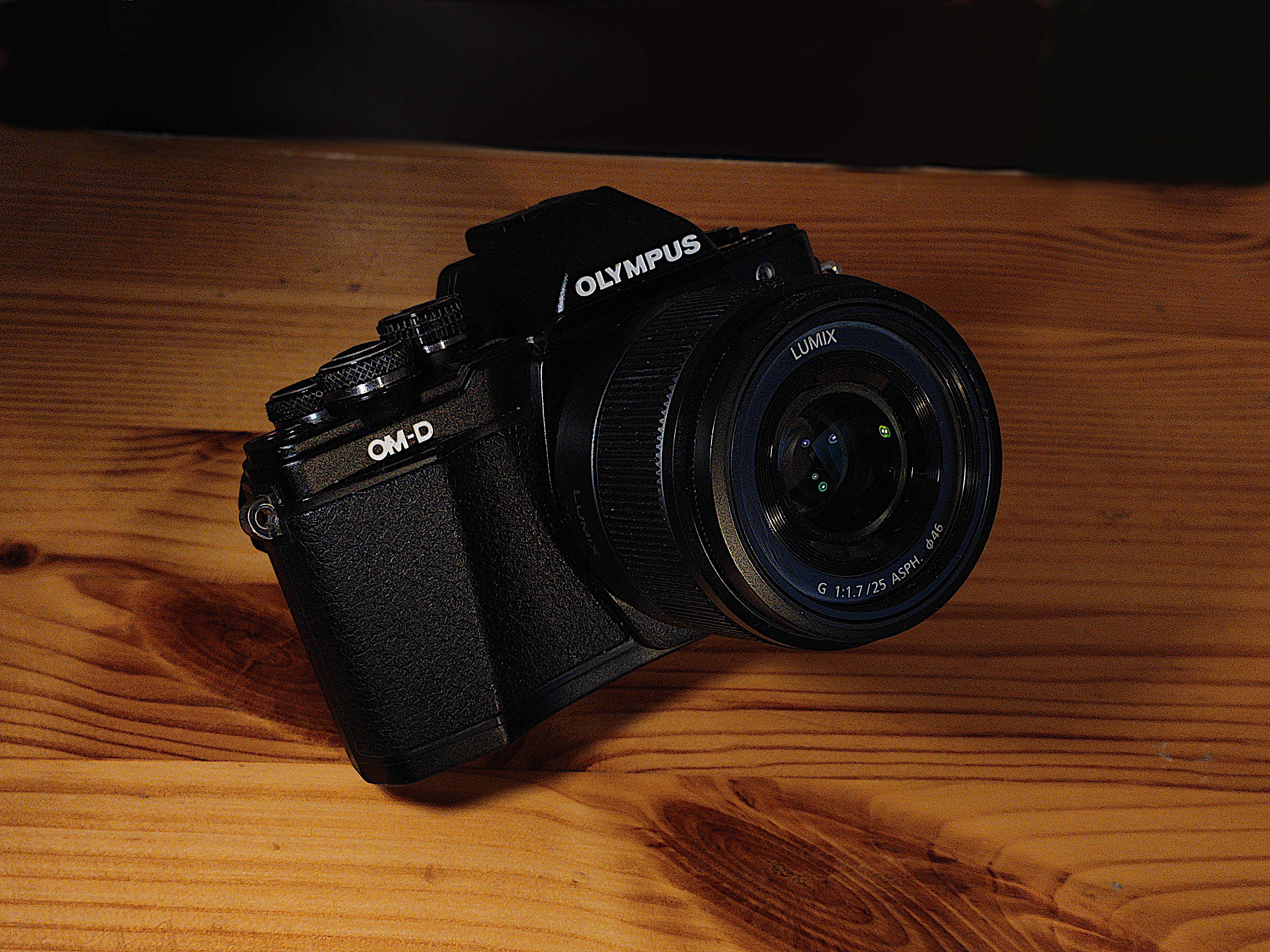
The DSLR versus mirrorless debate is full of marketing claims, but the real question is narrow: will a new body improve the pictures you make on the road, or only lighten your bank balance? This guide sorts the differences that matter to travel photographers from the ones that do not, so you can decide with a clear head.
- The core difference is the mirror, and nearly everything else follows from it: size, viewfinder, autofocus and battery life.
- Battery life is the clearest trade-off against mirrorless; autofocus and low-light results increasingly favour it.
- Your existing lenses may carry over with an adapter, which changes the cost of switching.
What actually separates a DSLR from a mirrorless camera?
A DSLR uses a mirror to bounce the image from the lens up to an optical viewfinder. You are looking through the lens in a way similar to a periscope. A mirrorless camera has no mirror: light goes straight to the sensor, and the sensor sends a live preview to an electronic viewfinder or to the rear screen.
That one change explains most of what you read in comparisons. Without the mirror mechanism, a body can be smaller, lighter and quieter, and it can show you things an optical finder never could. Some mirrorless bodies also offer a fully silent electronic shutter, which matters in quiet places where a shutter clack draws attention.
The trade is that the sensor and the electronic viewfinder are working whenever you compose, and that draws power. Keep that in mind, because it comes back in the battery section.
What do you gain by switching to mirrorless?
The most useful gain for many photographers is the electronic viewfinder. It can preview the result of your exposure settings before you press the shutter, so you spend less time guessing and correcting. It can also show overlays such as focus peaking, and it keeps showing a readable view in very dim or very bright conditions. A DSLR can only do part of this by switching to live view, which locks the mirror up and makes it behave like a mirrorless body.
Autofocus is the second gain. Focus points are not confined to a small cluster near the centre of the frame, and face and eye tracking are built in. Once eye detection locks on a person, it tends to hold on, which helps with portraits of the people you meet while travelling. It is not perfect on every subject: one photographer who switched found it confused on horses, and fell back on a single focus point.
Low light is the third. The same photographer reported cleaner results than from an older DSLR and began delivering colour images from dark interiors where high-ISO grain had previously pushed the work to black and white. That is one person’s comparison of two specific bodies, not a law, but it matches the general direction of the technology.
- Exposure preview in the finder, before you shoot.
- Focus points across most of the frame, plus eye detection.
- Optional silent shooting.
- Video autofocus that older DSLRs often lacked.
What does mirrorless cost you in battery life and weight?
Battery life
This is the honest weak spot. Mirrorless cameras generally run shorter on a charge than DSLRs because the screen or electronic viewfinder is powered during use. DSLRs are the better fit for long days away from a socket. Mirrorless owners adapt: carry spares, reduce rear-screen use, and switch off wireless features you do not need. One user who made the move could no longer get through a full day on one battery, but already owned a stock of spares because the new bodies used the same battery type as the old ones.
If you travel to places where charging is unreliable, count the spare batteries into the cost of the switch, and check whether your current batteries fit the body you are considering.
Weight
Mirrorless bodies are smaller and lighter, and that matters when the kit is on your shoulder all day. Be realistic about the saving, though. A fast telephoto zoom stays a heavy lens whatever it is mounted on, so the gain comes mostly from the body. One photographer pairing a full-frame mirrorless body with a 70-200mm f/2.8 noticed it was still weighty but clearly smaller and lighter than the DSLR equivalent. Weigh your actual kit, lens by lens, rather than comparing body specifications alone.
Viewfinder lag
Because the electronic finder is not a truly live optical view, there can be a split-second delay, mostly noticeable with fast action at high frame rates. Most travel subjects will never expose it.
What happens to the lenses you already own?
This is where the real cost of switching sits. Mirrorless bodies can generally take DSLR lenses through an adapter, which means you do not have to replace everything at once. One Canon user kept nearly all of their older EF lenses on the new bodies, found they worked well, and bought only two native lenses, a 70-200mm f/2.8 and a 50mm f/1.8.
Treat that as a pattern, not a promise. Before you commit, check three things for your own system:
- Whether the manufacturer makes an adapter for your lens mount, and what it costs.
- Whether autofocus and stabilisation work fully on your specific lenses when adapted.
- Whether an adapter adds bulk that cancels the weight saving you wanted.
Some adapters also add a control ring, which is a small handling gain if you shoot in manual mode. A sensible plan is to buy the body first, adapt what you own, and replace a lens with a native one only when it limits your results.
Who should stay with a DSLR, and who should switch?
Stay put if your current camera already produces the pictures you want, if long battery life matters more to you than size, or if your lenses would need expensive replacement. A well-kept DSLR is not obsolete, and money saved can go into travel, lenses or a tripod, which improve images more reliably than a new body.
Switch if you want a smaller kit, you shoot a lot of portraits and rely on eye detection, you work in dim interiors, you want video, or you value the exposure preview. Mirrorless is now the more popular kind of interchangeable-lens camera among both professionals and amateurs, so new lenses and features are arriving there first.
The one scenario where the choice still matters most is fast subjects in changing light, such as wildlife. Newer mirrorless autofocus systems are reported to match or beat DSLRs, but high burst rates can come with conditions. One flagship body needed a particular battery at a minimum charge to reach its top frame rate, and the viewfinder lag mentioned earlier shows up most in this kind of work. If wildlife or sport is your main subject, test the exact body you plan to buy with a lens you intend to use before you commit.
Frequently asked questions
Is a mirrorless camera better than a DSLR for travel?
Usually for carrying comfort, since the bodies are smaller and lighter. A DSLR can still suit you if you spend long days without a chance to charge. Decide by weighing your whole kit and your charging situation.
Can I use my DSLR lenses on a mirrorless body?
Generally yes, through an adapter. Check that the adapter exists for your mount and that autofocus works properly with your specific lenses before buying.
Do mirrorless cameras really run out of battery faster?
In general, yes, because the sensor and electronic viewfinder are powered while you shoot. Carrying spares and reducing screen use helps a great deal.
Is it worth switching if my DSLR still works well?
Only if something specific limits you, such as weight, low-light results or video. If nothing does, the money is usually better spent elsewhere.
Related reading
- Cleaning Your Sensor and Lenses Safely
- Full Frame, APS-C or Micro Four Thirds: Sensor Size Honestly Compared
Sources
- DLSR to Mirrorless – A year’s review (katiemortimore.com, accessed 2026-11-09)
- Mirrorless camera — Wikipédia (en.wikipedia.org, accessed 2026-11-09)
Photo: Olympus mirrorless camera, by AlbertGy, CC BY 4.0 (Wikimedia, via Openverse)